


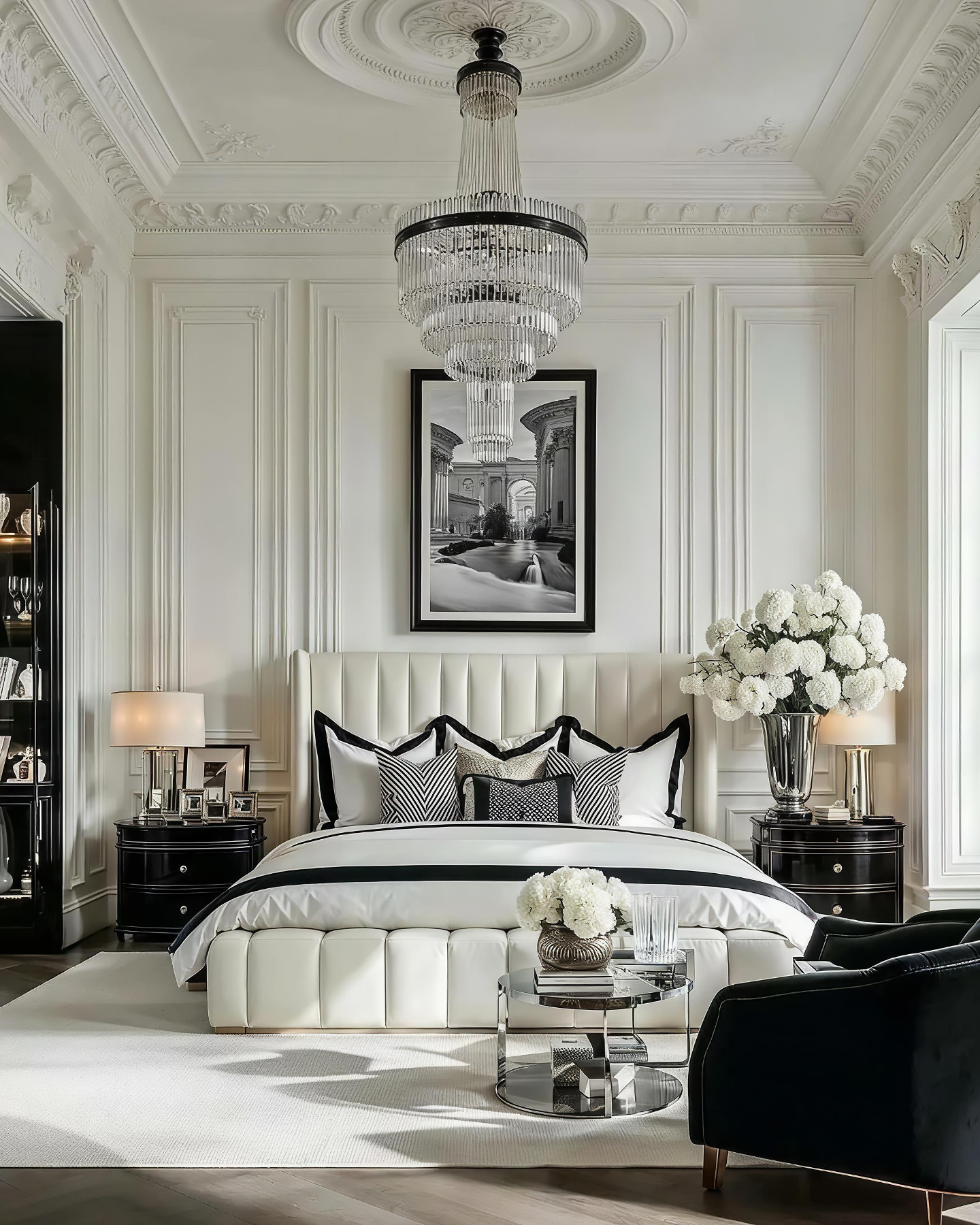


Interior Design Trends to Watch in 2026
A Curated Look at the Materials and Pieces Defining 2026 Interiors
Interior design trends in 2026 reflect a more thoughtful and composed approach to shaping spaces.
Rather than quick updates or decorative shortcuts, this year’s trends focus on well-chosen furniture, natural materials, and statement elements that bring balance and character to a room.
Sculptural forms, layered textures, and carefully considered accents are defining how interiors feel and function today.
These trends are less about excess and more about refinement—using design choices that feel intentional, cohesive, and enduring.
The sections below explore the key interior design trends to watch in 2026, along with the pieces that best represent how these ideas are being applied in real spaces.
1. Sculptural Tables & Statement Furniture
One of the defining interior design trends in 2026 is the use of sculptural furniture as the foundation of a space. Dining tables, coffee tables, and side tables are increasingly selected for their form as much as their function, helping establish the scale and character of a room from the outset.
This shift reflects how interiors are being designed today. Open layouts, neutral palettes, and pared-back finishes call for furniture that brings structure and visual interest on its own. Sculptural pieces—often crafted from stone, travertine, or mixed materials—add that sense of weight and permanence without relying on ornamentation.
Why this works for 2026:
As interiors become more streamlined, furniture is expected to do more. Strong silhouettes and substantial materials allow fewer pieces to carry greater impact, creating spaces that feel intentional and composed rather than overfilled.
How to use this trend:
Place sculptural furniture where it naturally becomes a focal point, such as the center of a living or dining area. Keep surrounding pieces quieter in form and finish so the anchor piece can define the space without competition.
Designer Picks:
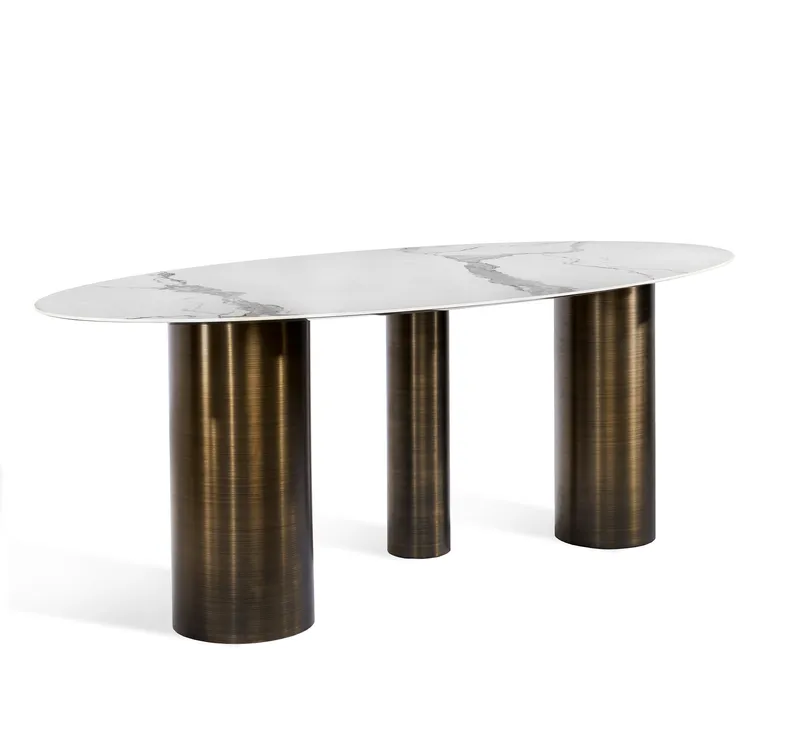
Chantal Dining Table

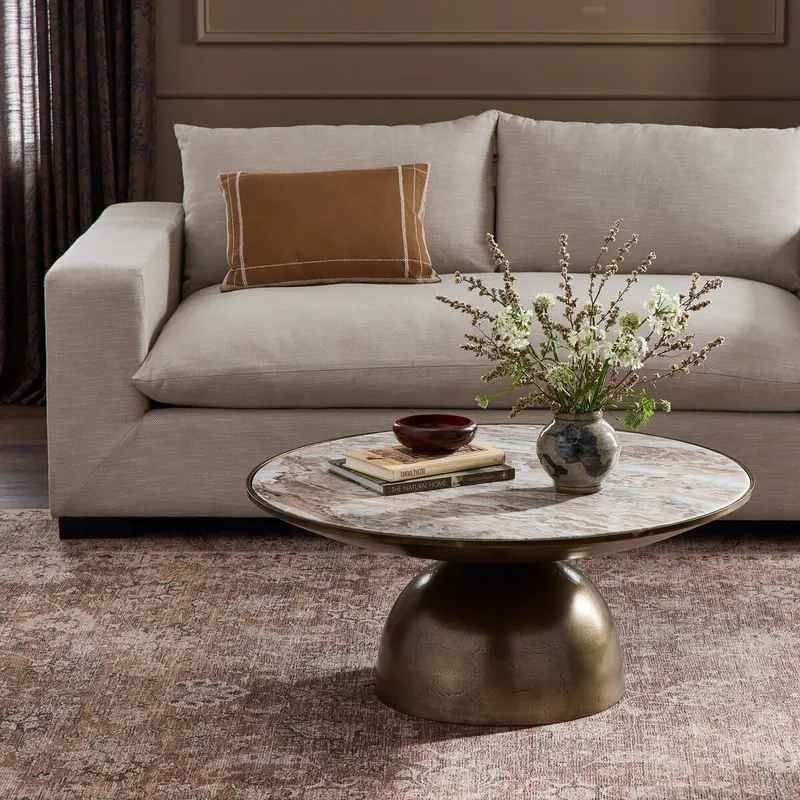
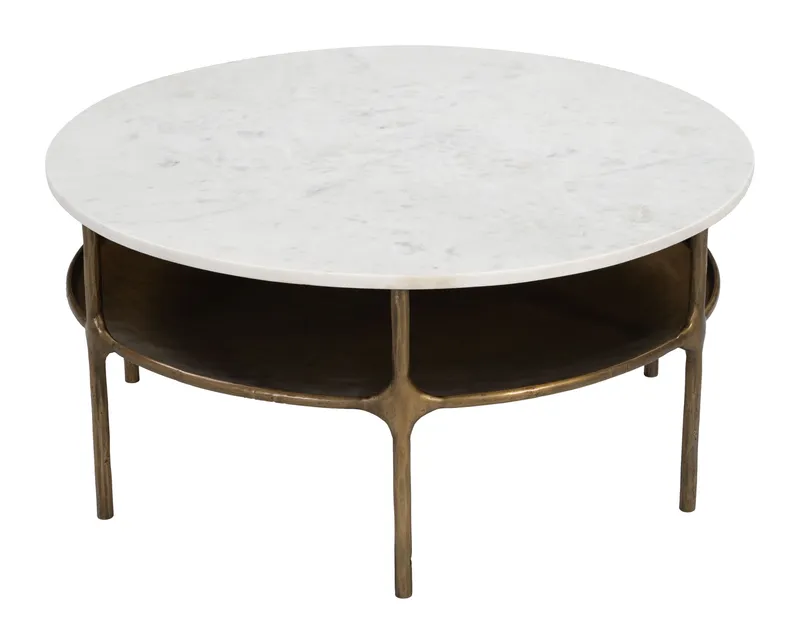
Bild Coffee Table White & Brass


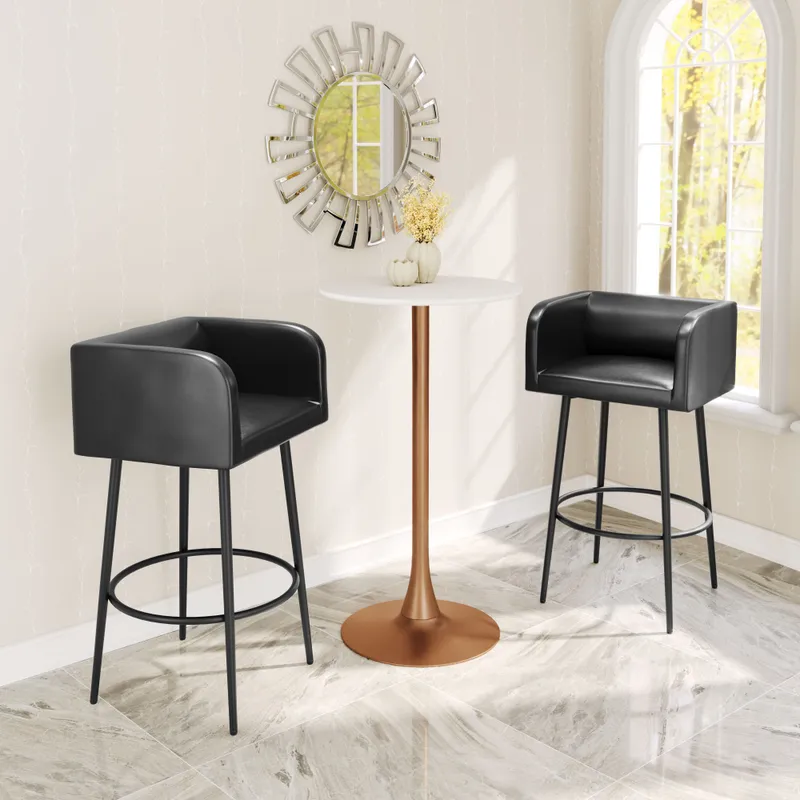
Manolo Barstool
2. Marble & Mixed-Material Accent Pieces
Marble continues to play a central role in interior design for 2026, but its use has become more refined and selective.
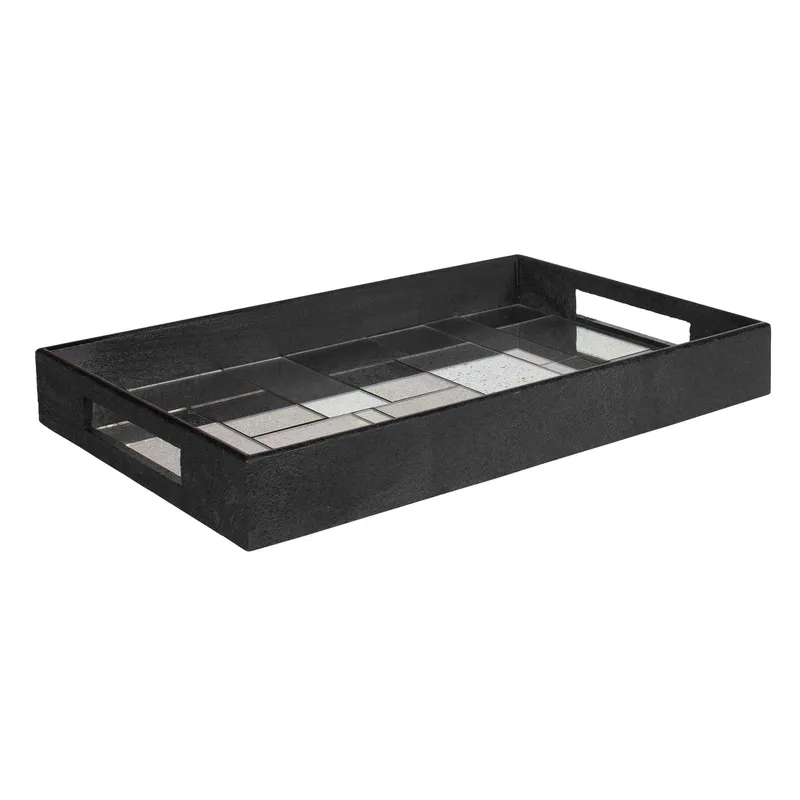
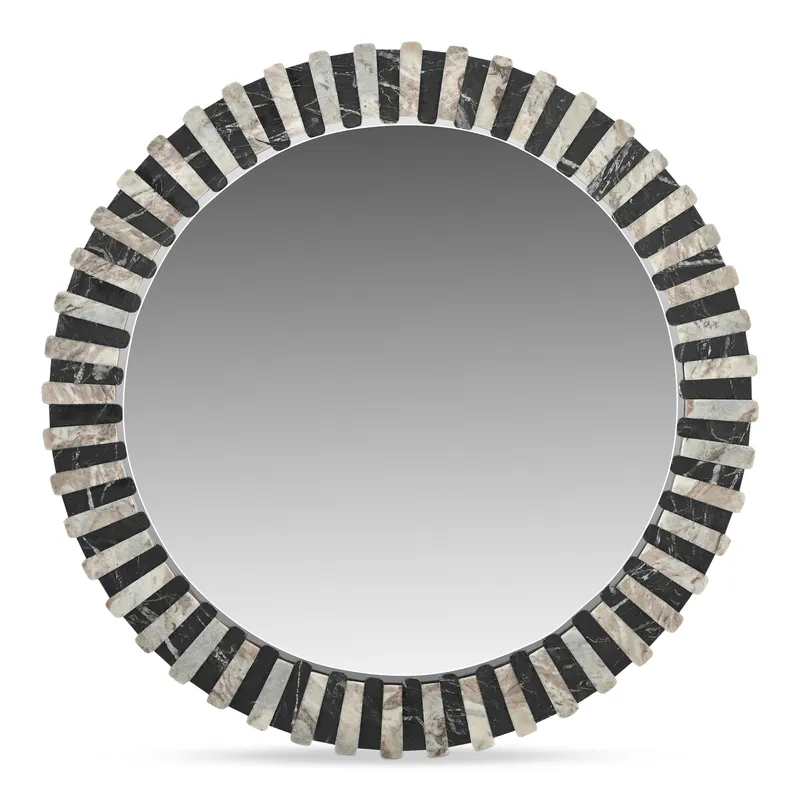
Rather than dominating entire spaces, marble now appears in accent pieces—side tables, mirrors, trays, and sculptural decor—where its natural veining and texture can be appreciated up close.
What distinguishes this trend is the pairing of marble with contrasting materials. Wood, metal, and darker stone are commonly used alongside lighter marble to introduce warmth and balance. These mixed-material combinations prevent marble from feeling overly formal and allow it to integrate seamlessly into everyday living spaces.
Why this works for 2026:
As interiors lean toward simplicity and restraint, material contrast becomes a key design tool. Mixing finishes adds depth and interest without relying on color or pattern, making spaces feel layered while remaining visually calm.
How to use this trend:
Incorporate marble in smaller, intentional moments—such as an accent table or decorative object—then balance it with warmer materials nearby. Repeating complementary finishes throughout the room helps the look feel cohesive rather than isolated.
Designer Picks:
Bild Coffee Table White & Brass

3. Oversized & Statement Wall Art
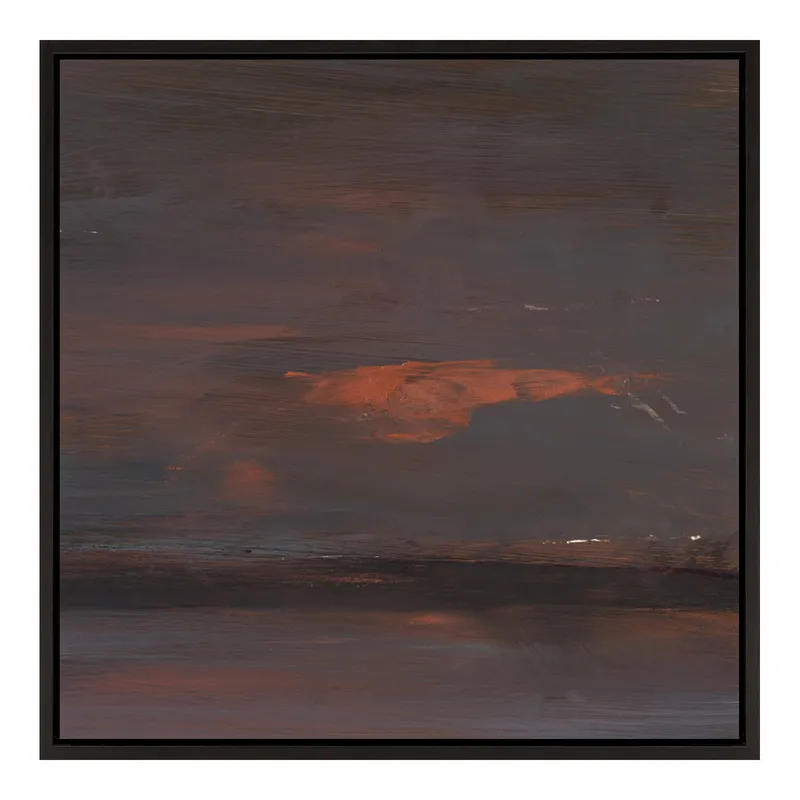
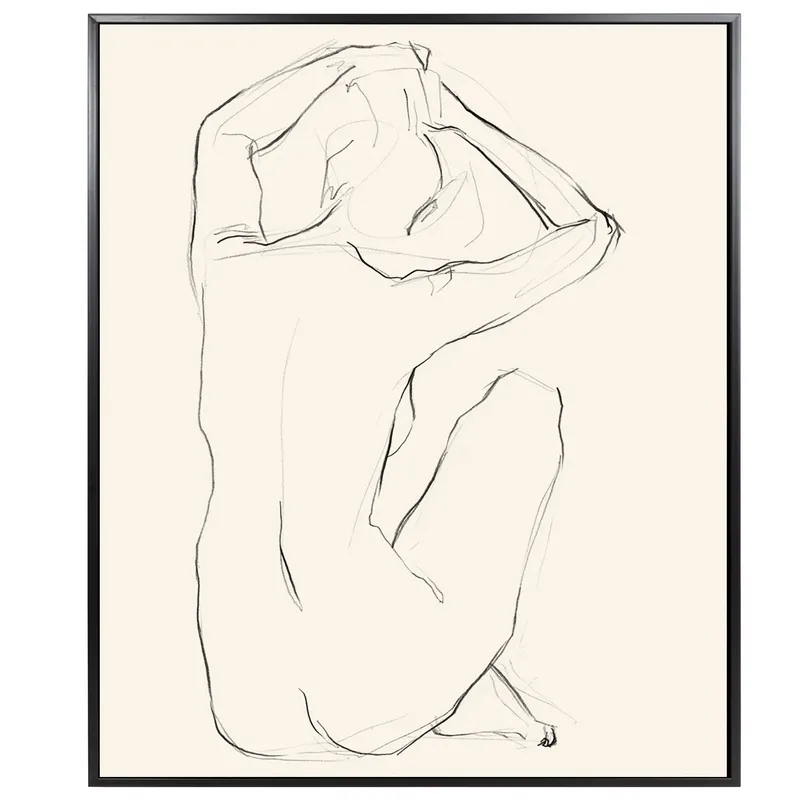
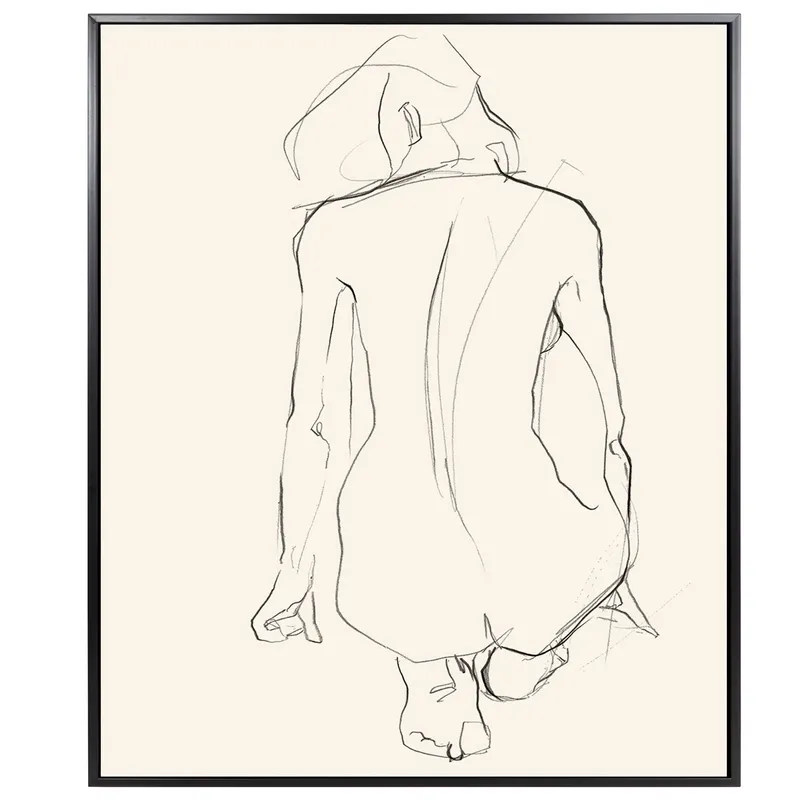
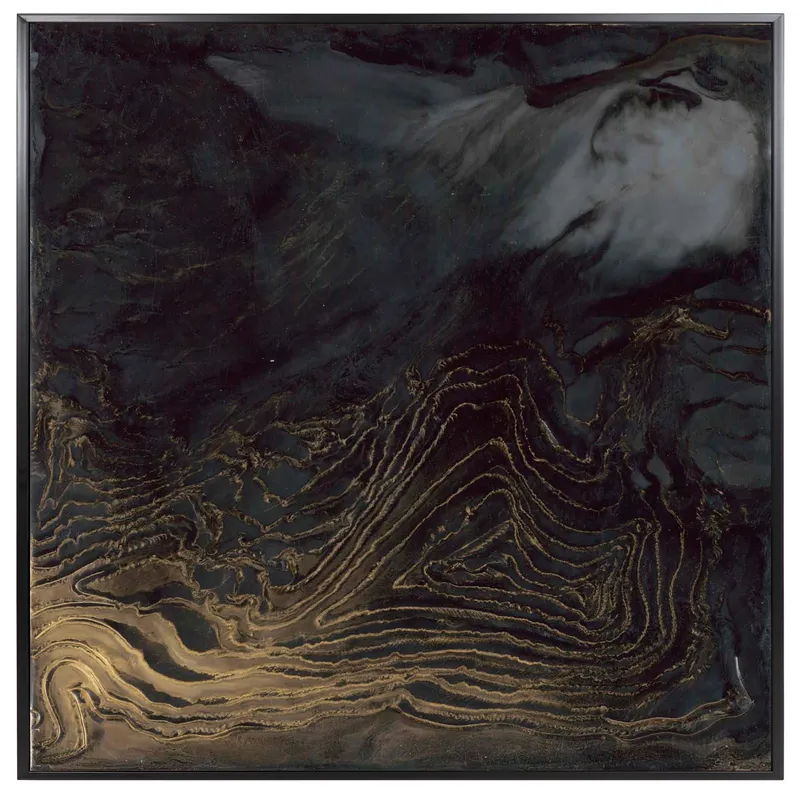
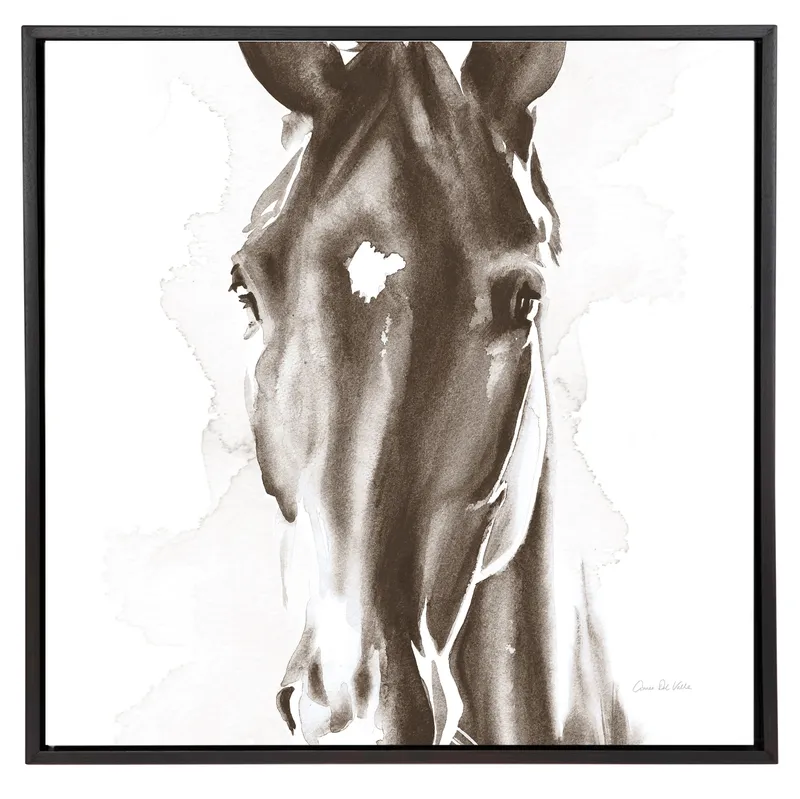
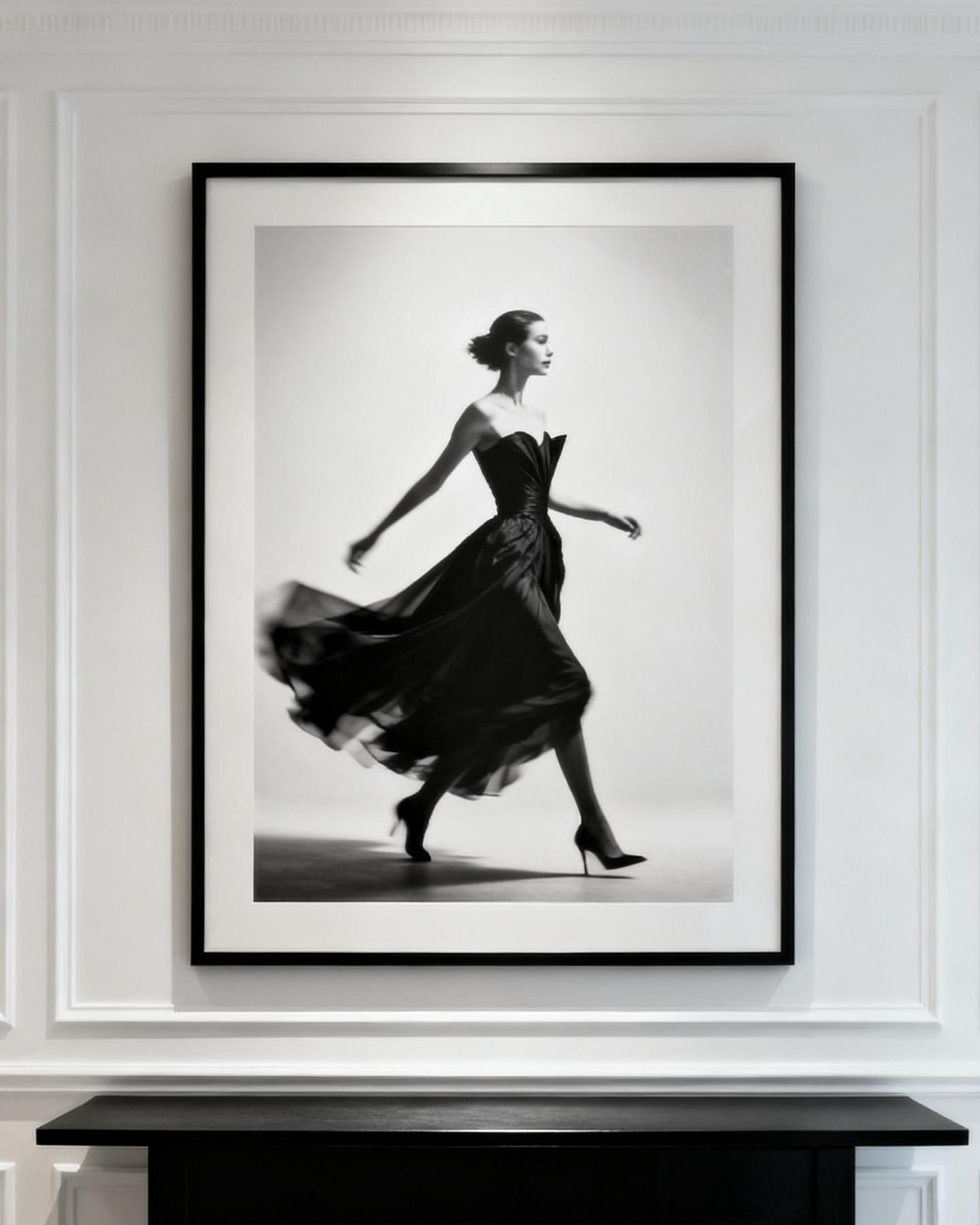
Oversized wall art continues to shape interiors in 2026, offering a simple yet impactful way to establish mood and visual focus within a space. Rather than filling walls with multiple smaller pieces, interiors are increasingly anchored by a single artwork that sets the tone for the room.
Large-scale art helps define proportion, especially in open-plan layouts or rooms with higher ceilings. Neutral palettes, expressive brushwork, and subtle texture allow these pieces to feel present without overwhelming the space, making them easy to integrate across a range of interiors.
Why this works for 2026:
As interiors become more pared back, art takes on a more intentional role. One well-chosen piece can replace layers of decoration, bringing clarity and cohesion while still adding personality.
How to use this trend:
Position oversized art where it can command attention—above a sofa, dining console, or bed. Let it stand alone rather than competing with adjacent pieces, and keep surrounding furnishings understated to allow the artwork to anchor the space.
Designer Picks:





4. Statement Mirrors (Architectural Scale)
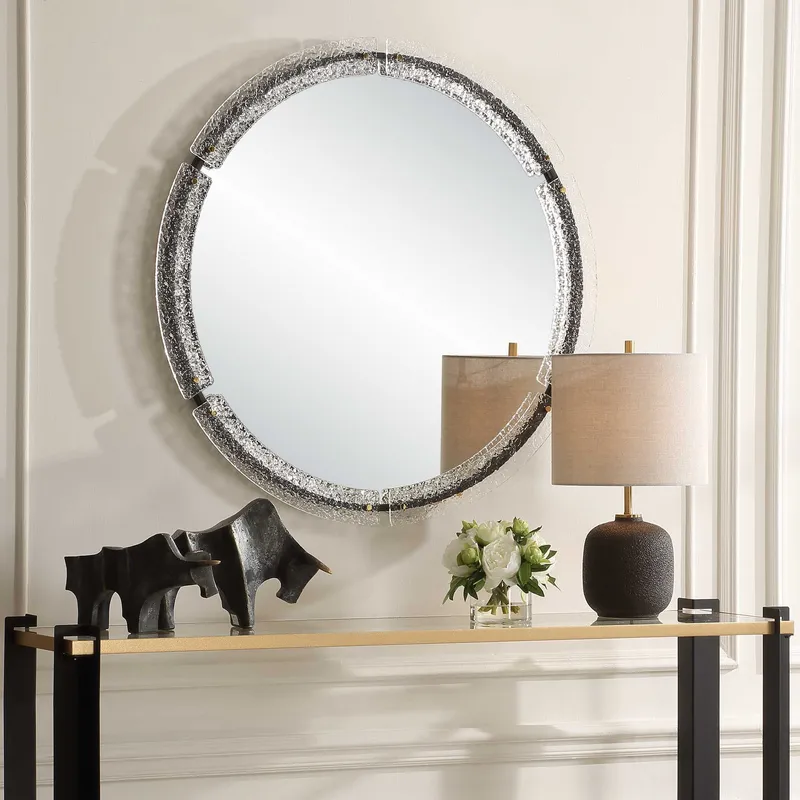
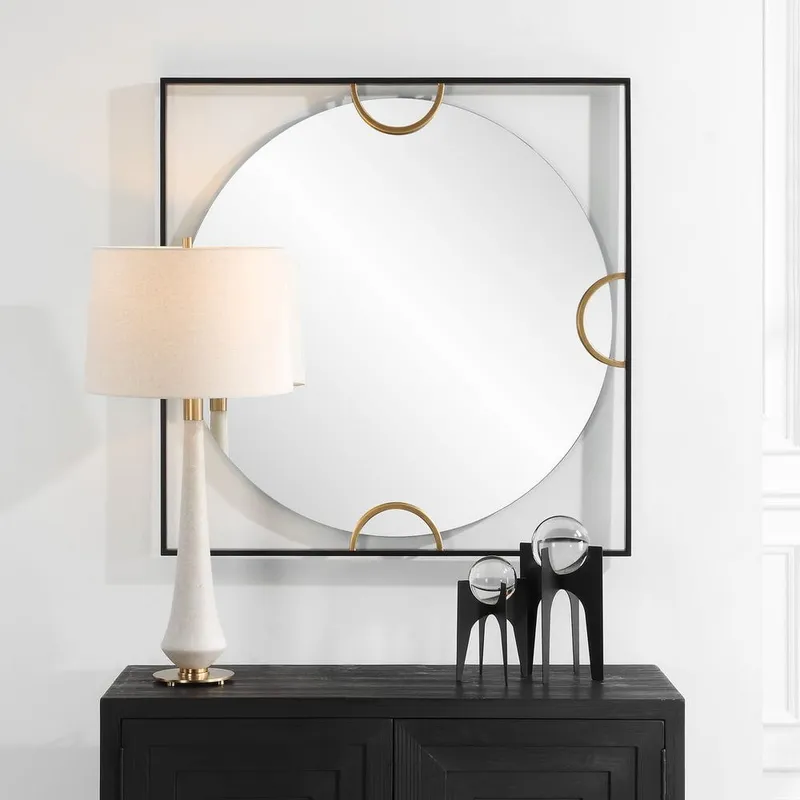
Statement mirrors continue to play a significant role in interiors for 2026, functioning as both practical elements and architectural features. Rather than serving as simple accessories, mirrors are increasingly used to define scale, enhance light, and add material presence to a space.
Larger proportions, distinctive frames, and natural materials elevate mirrors beyond utility. Stone, marble, glass, and wood-framed designs introduce texture and contrast, making mirrors feel intentional within the overall composition of a room. When thoughtfully placed, they can visually expand a space while reinforcing its design language.
Why this works for 2026:
As interiors favor fewer, more impactful elements, mirrors offer a way to add depth and dimension without introducing additional furniture or color. Their ability to reflect light and surroundings makes them especially effective in spaces that prioritize openness and balance.
How to use this trend:
Use statement mirrors where they can act as a focal point—above a console, fireplace, or vanity. Allow the mirror’s scale and material to stand on its own, and avoid pairing it with overly decorative surroundings to maintain a clean, architectural feel.
Designer Picks:



5. Textiles & Soft Furnishings
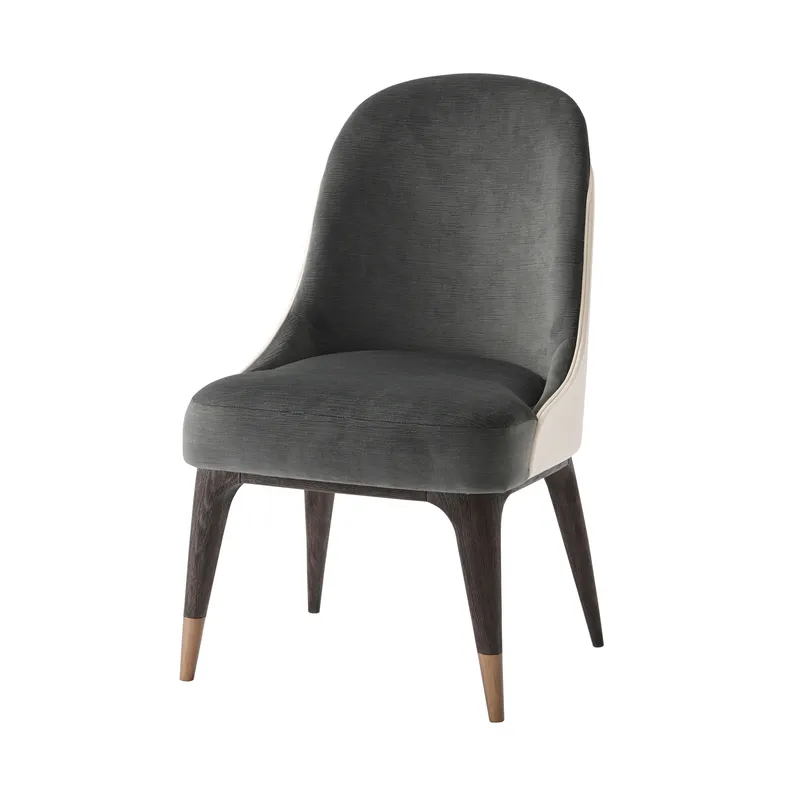
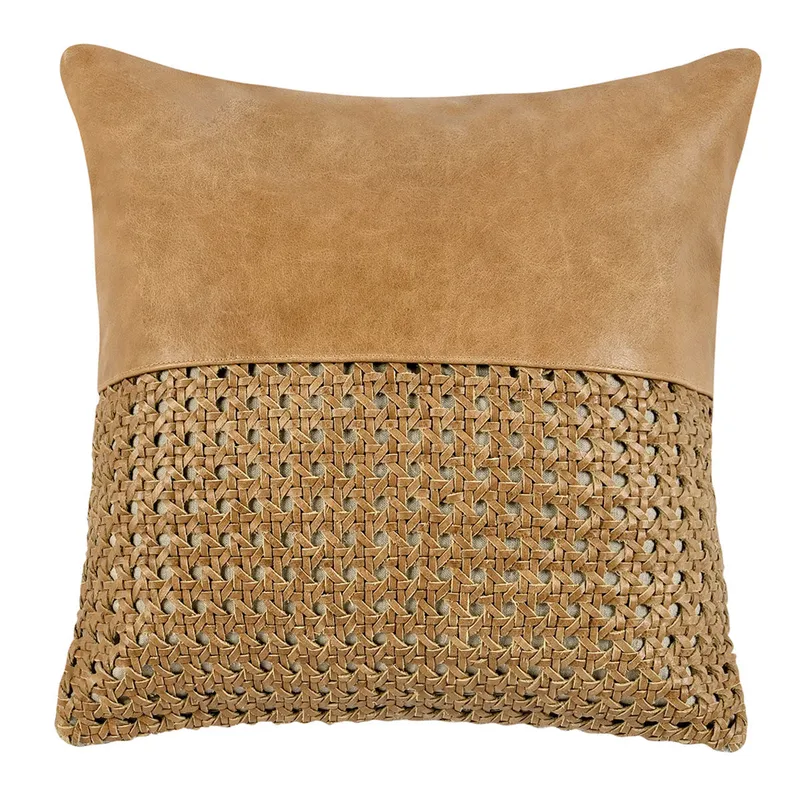
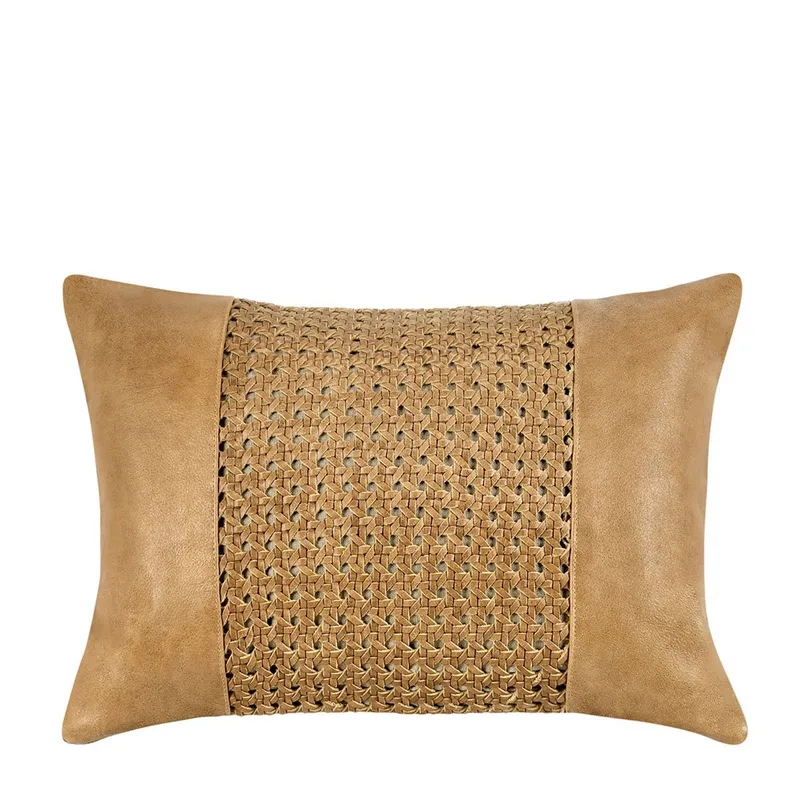
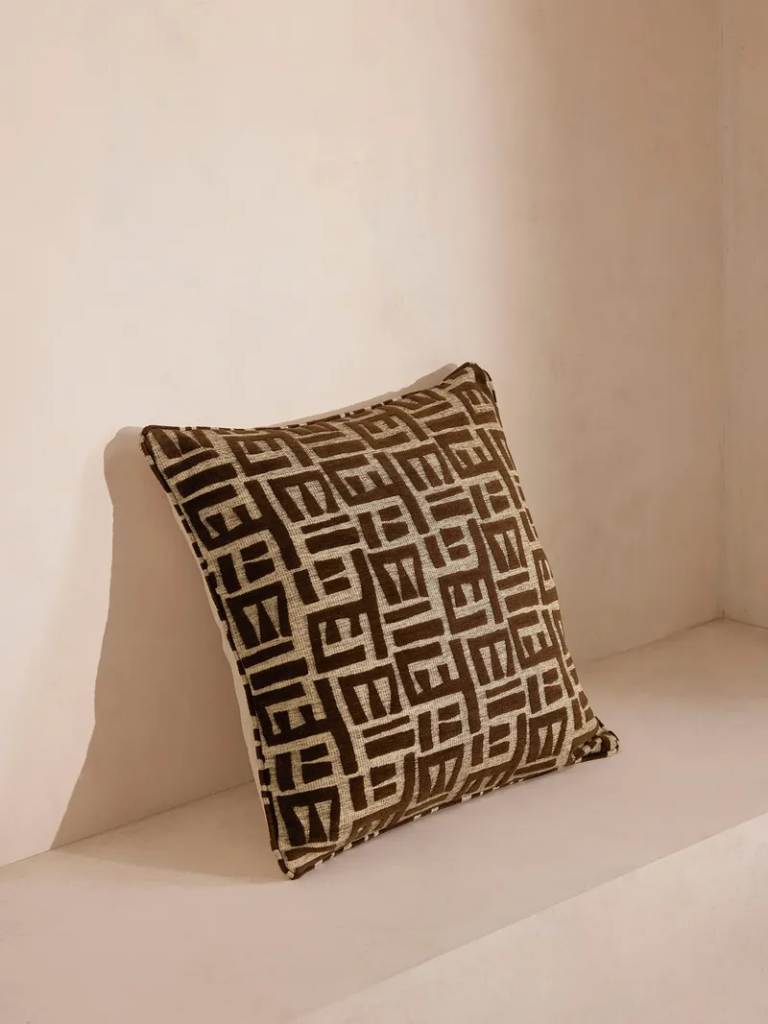
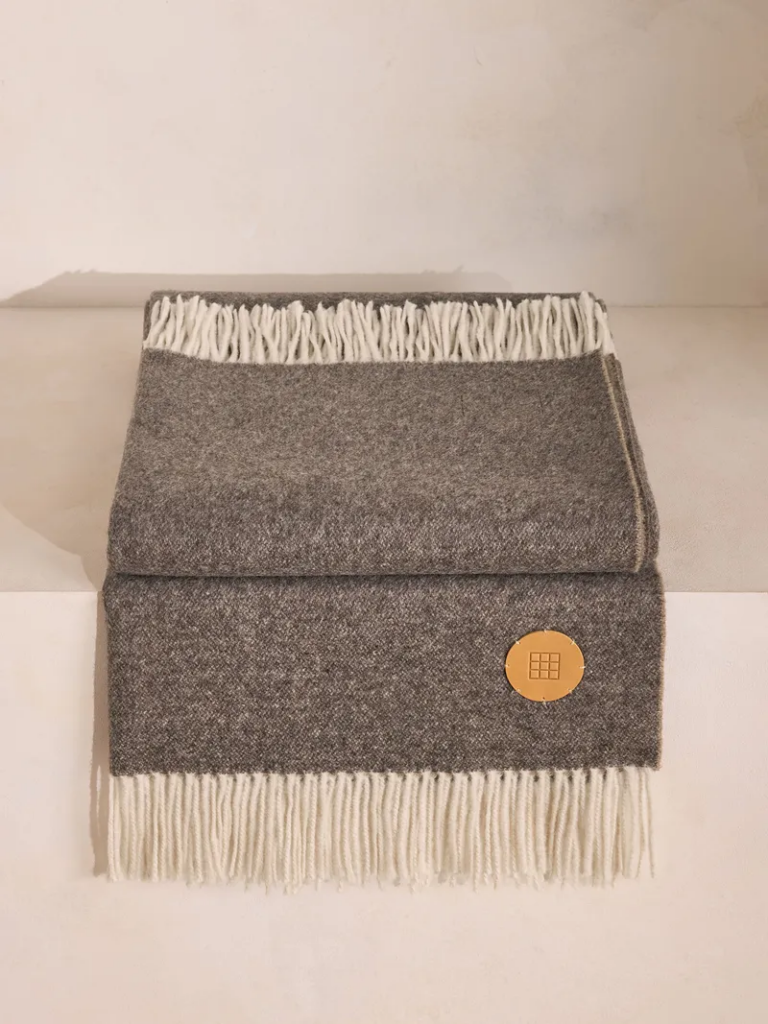
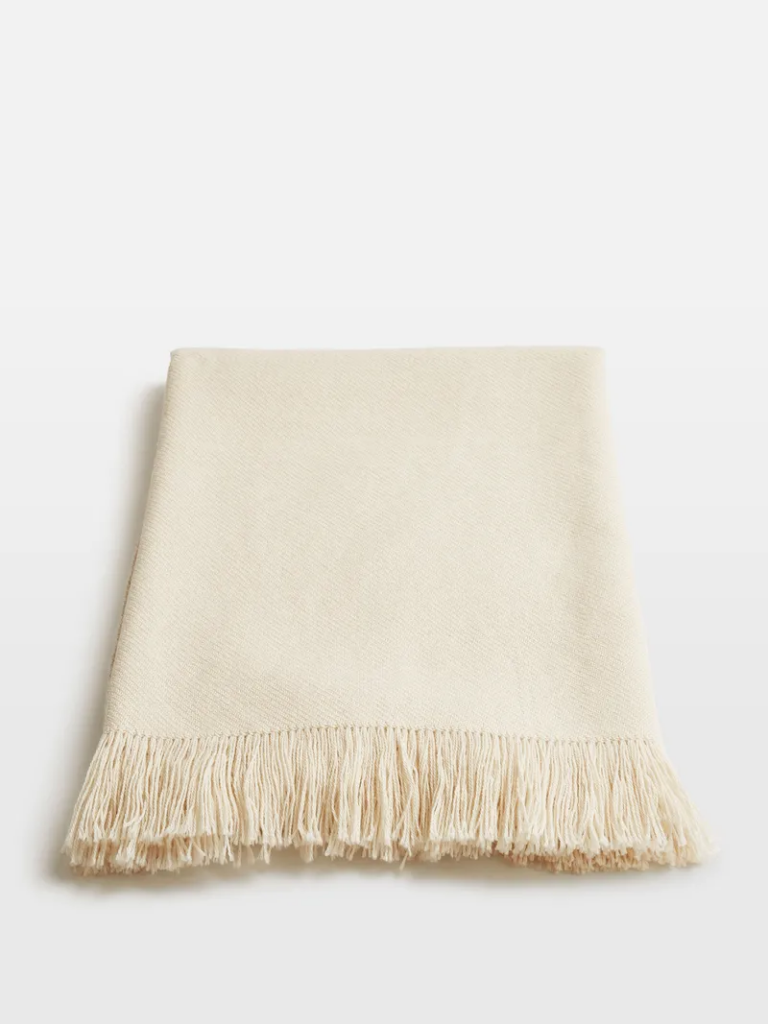
Textiles play an essential role in interior design for 2026, bringing warmth, comfort, and depth to spaces that often feature strong architectural elements and natural materials. Rather than relying on bold patterns, this year’s approach favors texture, material quality, and subtle contrast.
Leather, woven fabrics, and natural fibers are commonly used to soften stone, metal, and wood surfaces. Neutral tones allow these pieces to layer easily while adding richness through variation in finish and hand feel. When thoughtfully chosen, soft furnishings help balance more structured elements in a room.
Why this works for 2026:
As interiors continue to emphasize sculptural furniture and material-driven design, textiles provide the necessary counterpoint. They make spaces feel inviting and livable without detracting from the overall composition.
How to use this trend:
Layer textiles in varying textures rather than introducing strong color or pattern. Mixing leather, woven, and natural fibers within a similar palette creates depth while keeping the space cohesive.
Designer Picks:


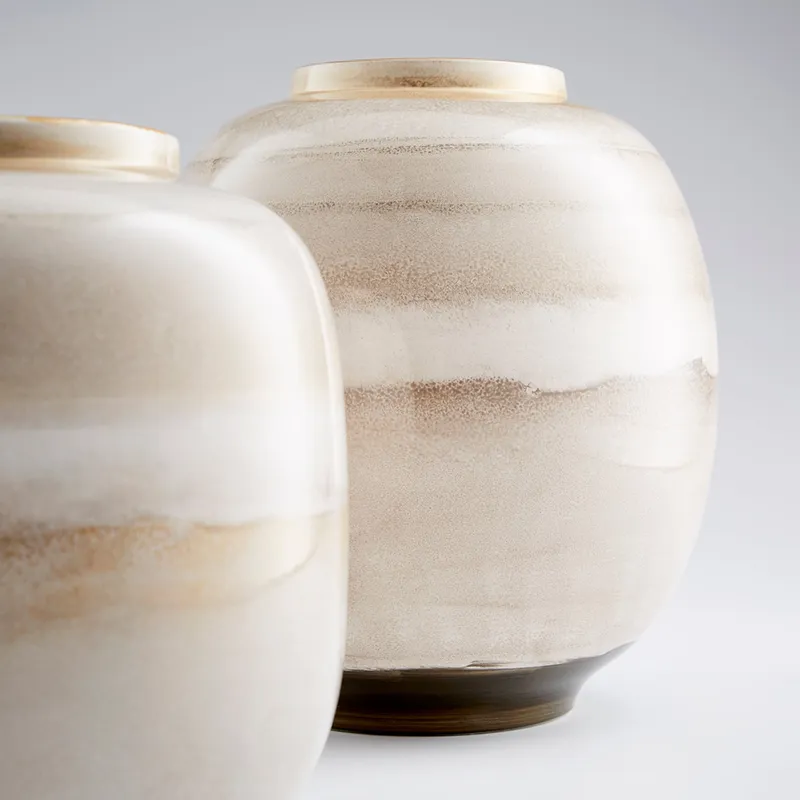
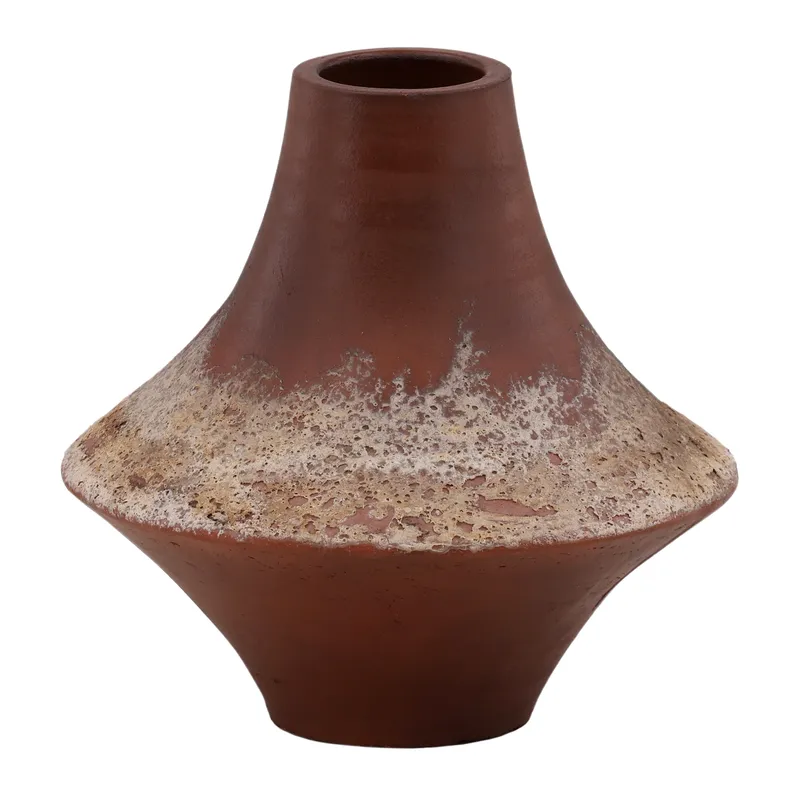
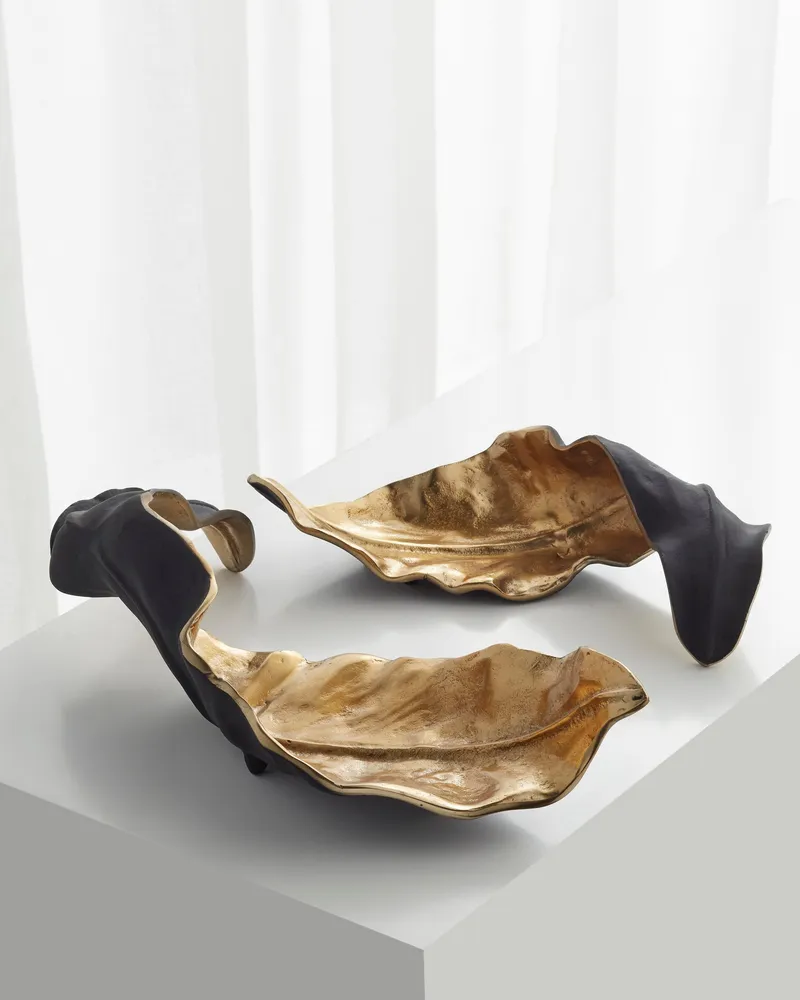
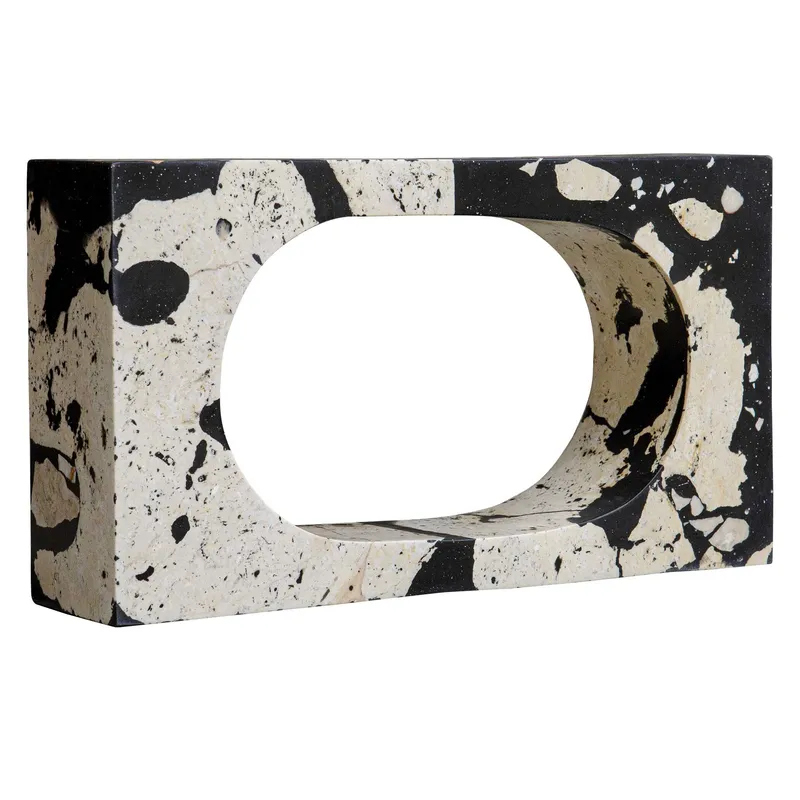
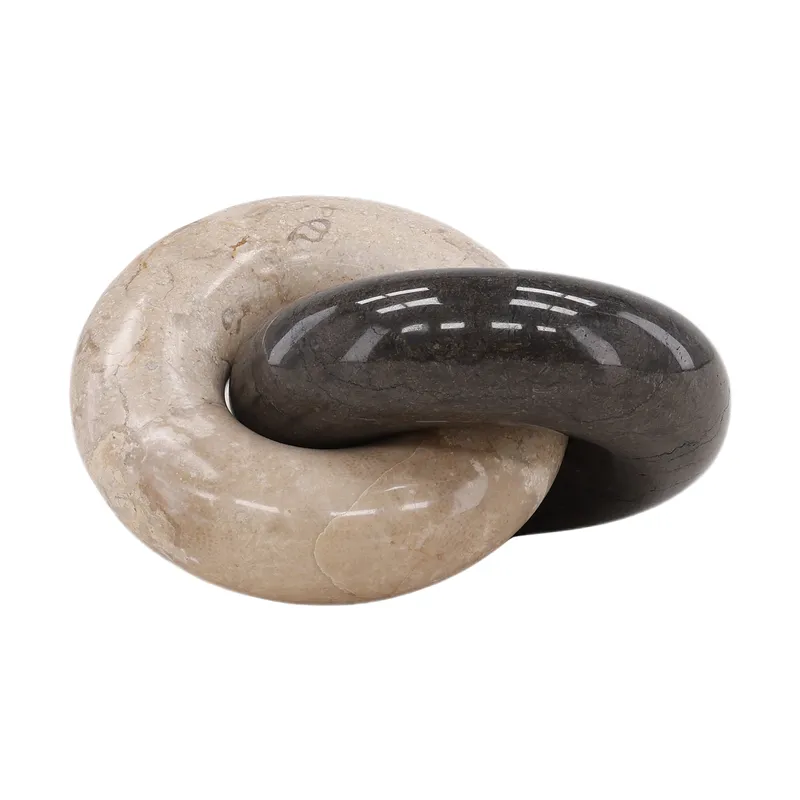
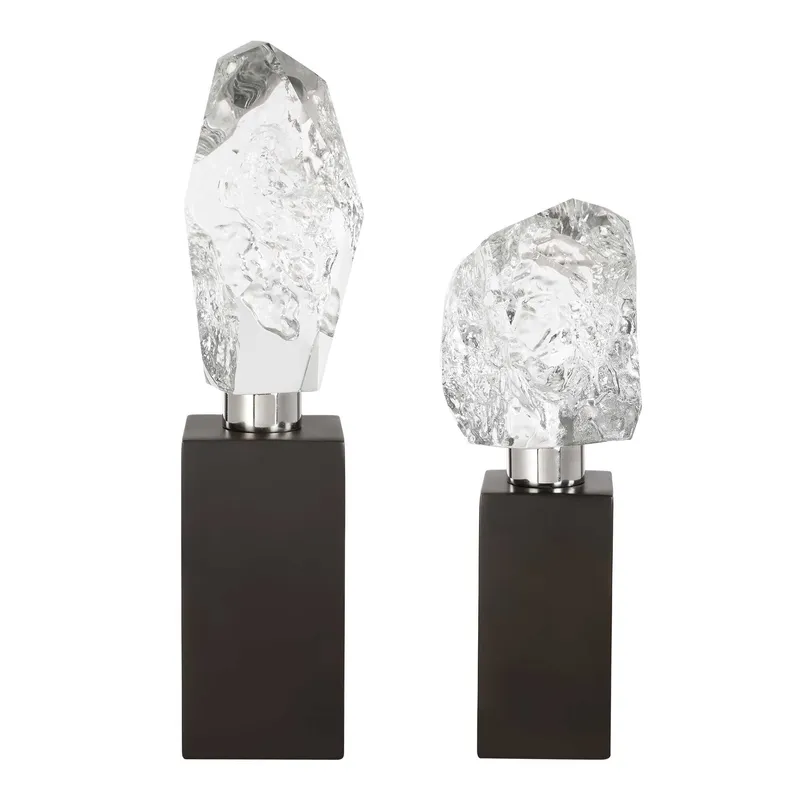
6. Decorative Objects as Sculpture
In 2026, decorative objects are chosen less for ornament and more for form. Bowls, vases, and sculptural accents are treated as small-scale works of art, adding interest through shape, texture, and material rather than embellishment.
These pieces often draw from natural forms or architectural references, using materials such as stone, ceramic, wood, and metal. When styled thoughtfully, they bring depth and character to a space without overwhelming it, complementing larger furniture and architectural elements.
Why this works for 2026:
As interiors move toward simplicity and intentionality, decorative objects are expected to earn their place. Sculptural forms add visual interest while maintaining a restrained, cohesive aesthetic.
How to use this trend:
Display decorative objects sparingly, allowing each piece to stand on its own. Group items by material or tone rather than size, and use negative space to let the forms be appreciated.
Designer Picks:




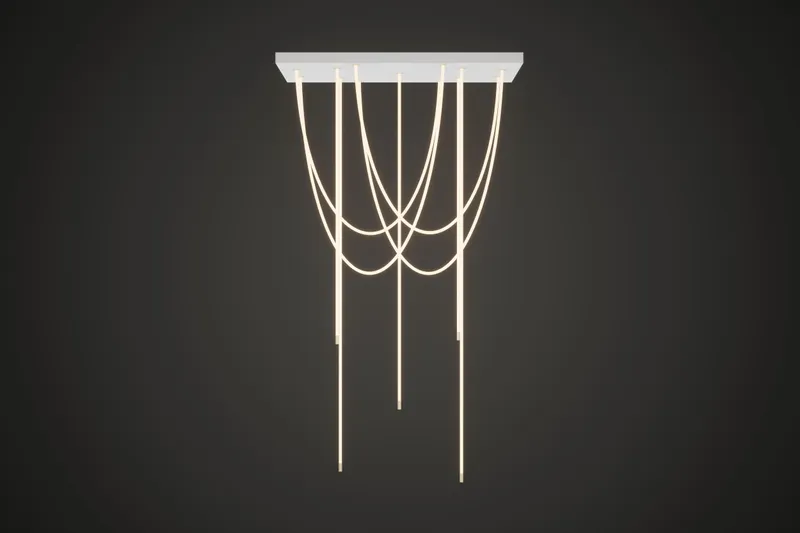
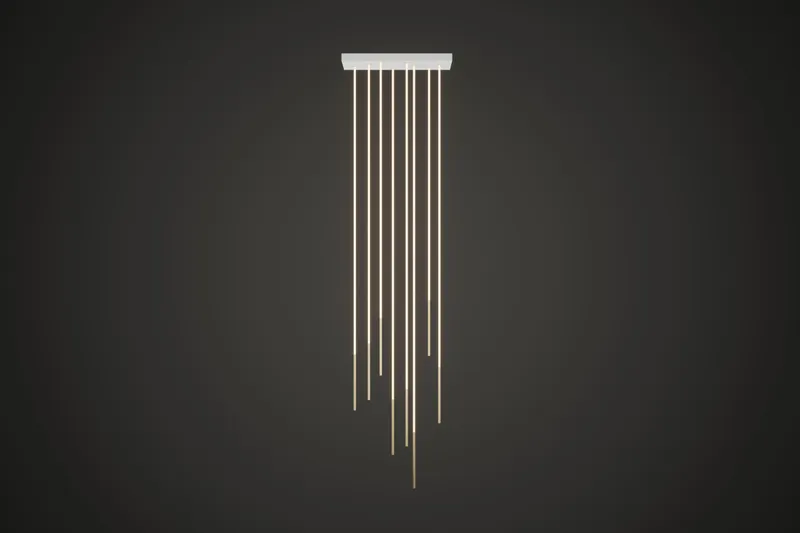
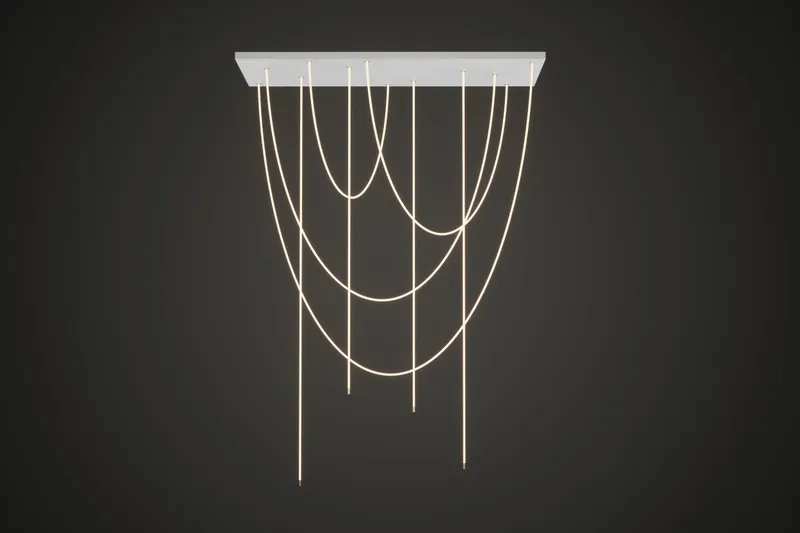
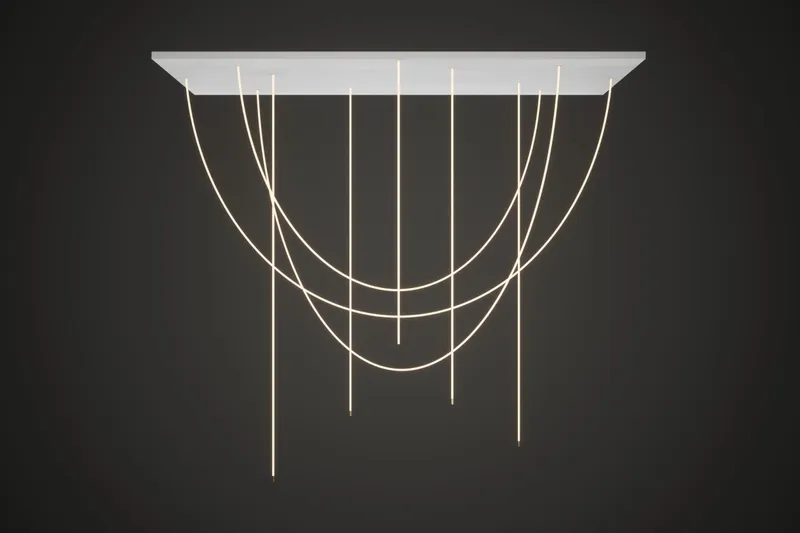
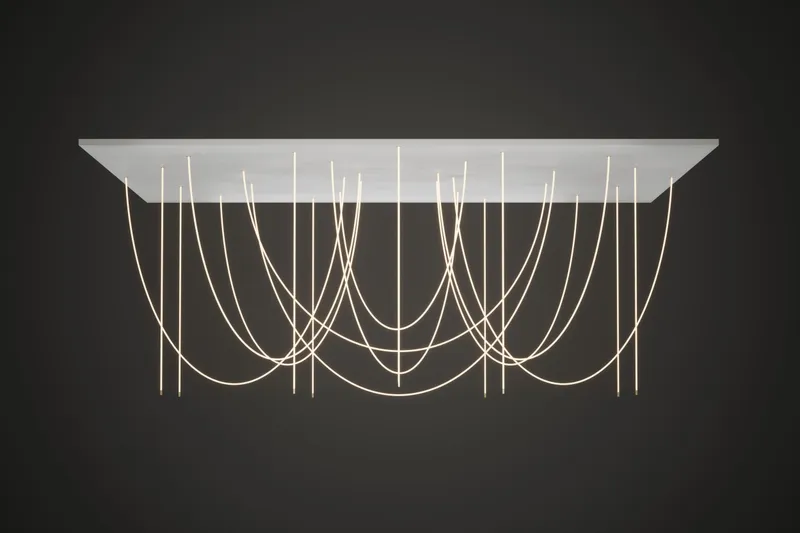
7. Lighting as Sculpture
Lighting in 2026 goes beyond illumination, becoming an integral part of a room’s visual composition. Sculptural lighting fixtures are used to introduce form, movement, and structure, often acting as a focal point within the space.
Rather than traditional, purely functional fixtures, designers are favoring lighting with architectural lines and considered proportions. These pieces help define areas within open-plan layouts and add dimension without relying on additional furniture or decor.
Why this works for 2026:
As interiors prioritize clarity and intentional design, lighting offers a way to make a strong visual statement while remaining practical. Sculptural fixtures contribute to the overall architecture of a room, reinforcing scale and balance without overwhelming the space.
How to use this trend:
Choose lighting that complements the surrounding architecture and furniture rather than competing with it. Sculptural fixtures work best when given visual space—positioned above dining tables, in living areas, or as a central feature where their form can be fully appreciated.
Designer Picks:

8. Wall Decor & Textural Art Objects
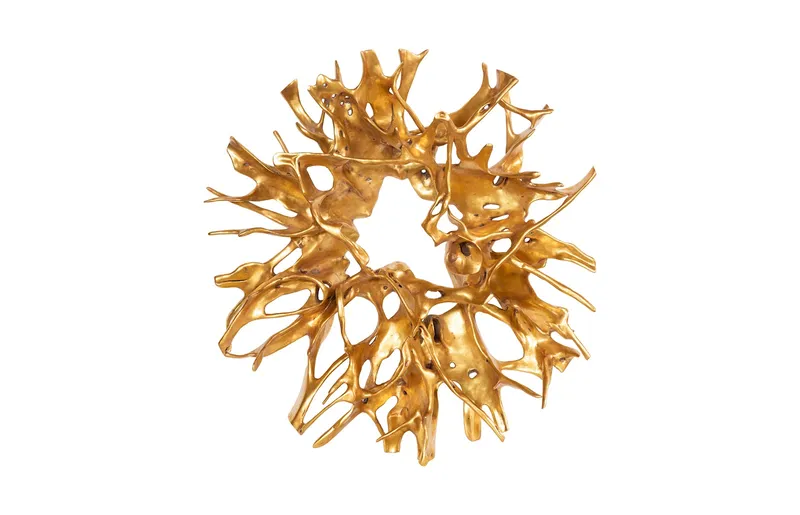
Wall decor in 2026 moves beyond framed artwork, introducing texture and materiality directly onto architectural surfaces. Textural wall pieces act as subtle focal points, adding depth and interest without relying on color or overt pattern.
These objects are often crafted from stone or cast materials, emphasizing relief, form, and surface variation. When used thoughtfully, they create visual richness while maintaining a restrained, cohesive aesthetic—particularly effective in neutral or minimal interiors.
Why this works for 2026:
As interiors continue to favor calm palettes and fewer decorative layers, texture becomes essential. Textural wall objects provide dimension and character without disrupting the overall balance of a space.
How to use this trend:
Install wall decor where it can be appreciated as part of the architecture—above consoles, along hallways, or in entry spaces. Allow surrounding walls to remain simple so the texture can stand out naturally.
Designer Picks:

Final Thoughts
The design trends of 2026 emphasize intention, artistry, and material richness.
These movements reflect a desire for homes that feel personal, grounding, and expressive. The pieces selected in this guide demonstrate how thoughtful material choices, sculptural forms, and curated accents can completely transform a space.
Ready to Explore What’s Right for Your Home?
At Heather Robinson Designs, we believe great design is more than what you see — it’s how a space makes you feel, live, and connect every day. With over 20 years of experience, our team crafts interiors that marry beauty with purpose — where every detail works as hard as it looks.
Whether you’re refreshing a single room or reimagining your entire home, we help you invest wisely — turning your vision into a space that feels timeless, personal, and undeniably you.
→ Learn more about Heather Robinson Designs
→ Inquire about your renovation





Read the Comments +