


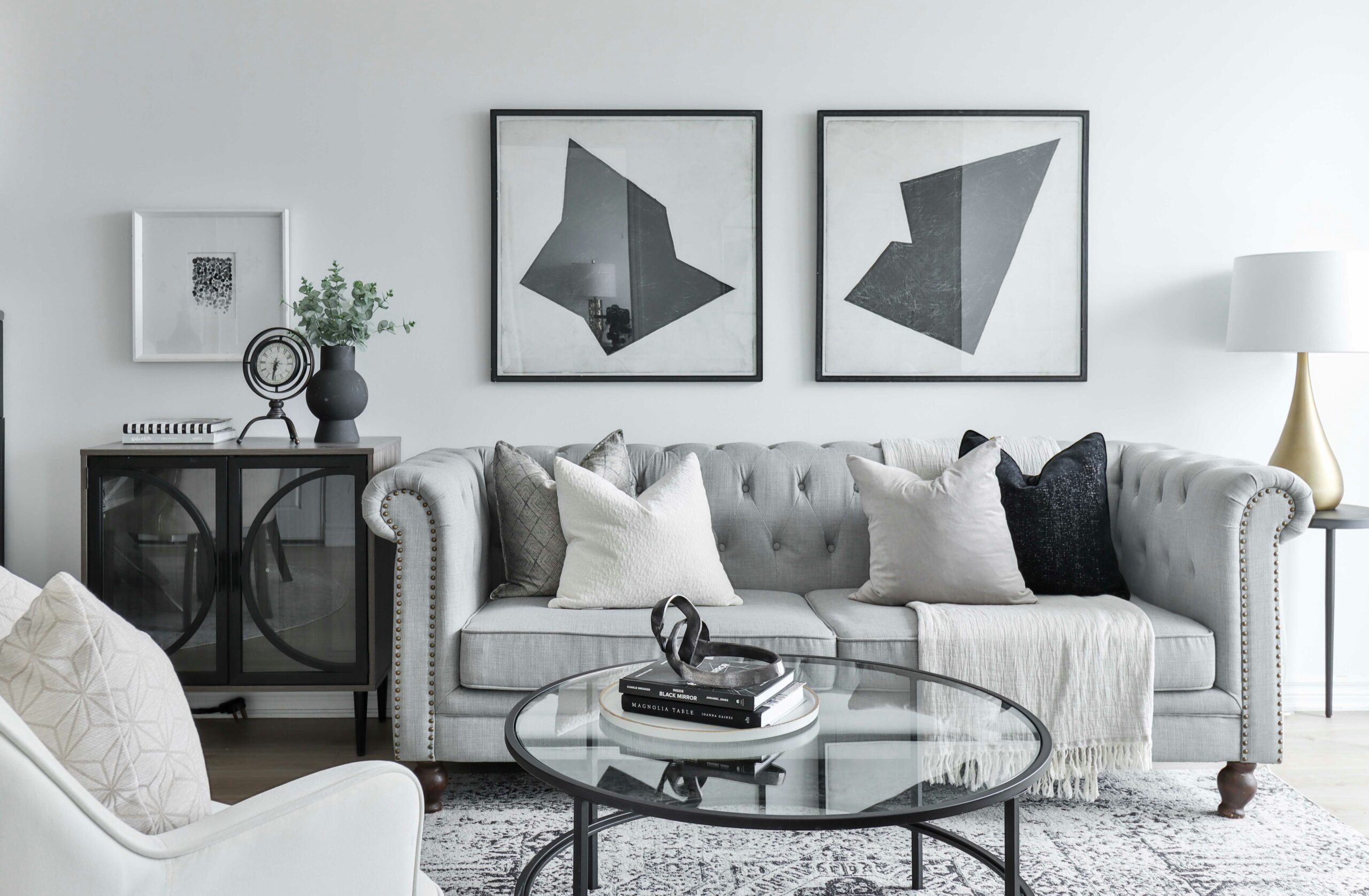


When most people think of interior design, they imagine the finishing touches — the cushions, the artwork, the statement lighting that ties it all together.
And while those elements are an important part of the process, they’re actually just one layer of what makes a space truly work.
The difference between styling and designing a home lies in depth.
Styling is about the visible — how a space looks and feels at first glance.
Design, on the other hand, shapes how that space functions and supports your lifestyle behind the scenes.
Over my years in bespoke design and construction, I’ve often seen these terms used interchangeably.
But understanding the difference between styling and designing a home helps clients make better decisions, communicate their vision more clearly, and ultimately, build spaces that feel as good as they look.
Styling: The Art of the Final Layer
Styling is about the emotion of a space — the mood, the character, the polish that makes a room feel “done.”
It’s what breathes life into architecture.
Through styling, we tell stories with texture, balance, and light.
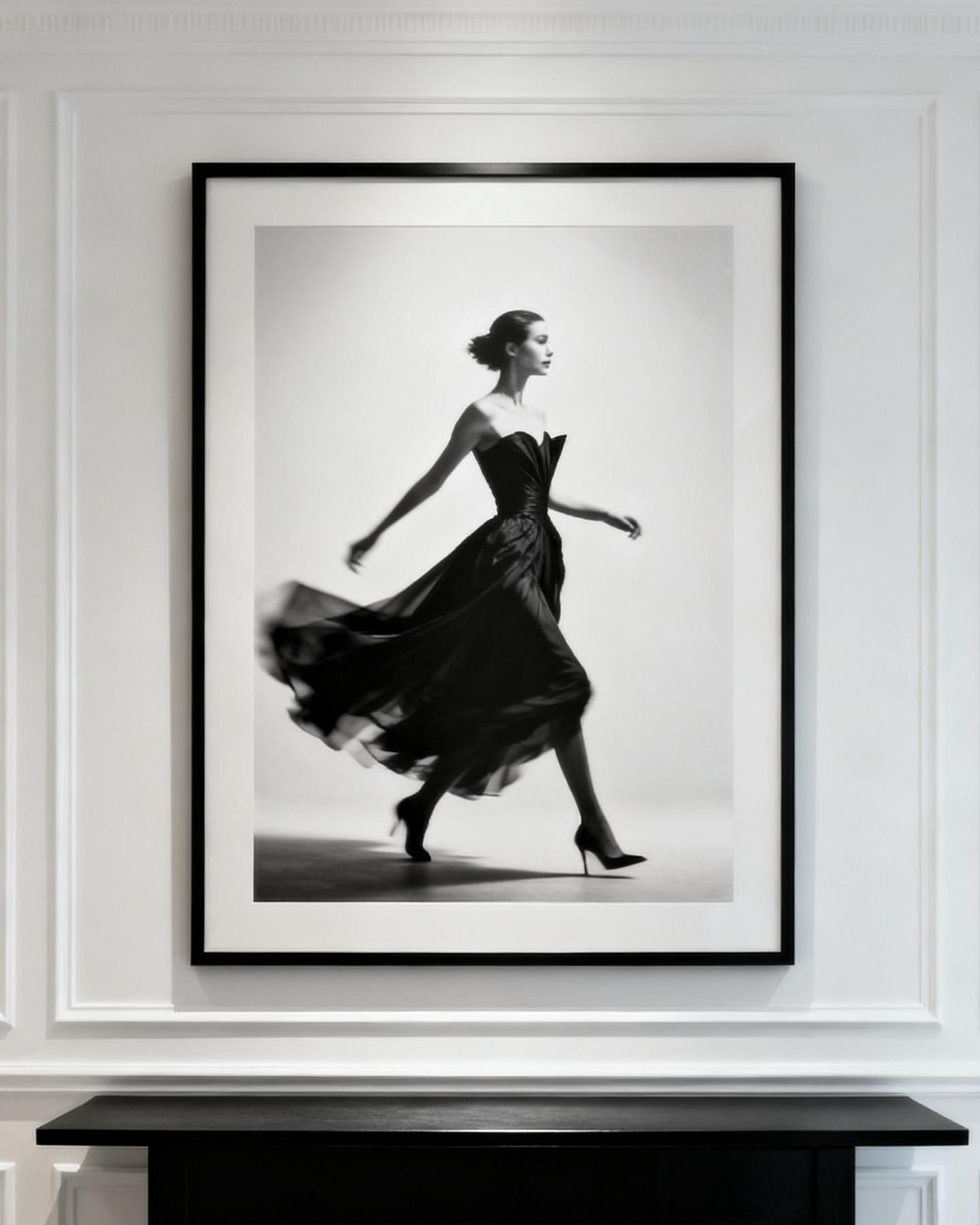
It might involve selecting accent pieces, arranging books, or curating artwork that speaks to the homeowner’s personality. It’s the finishing touch that transforms a blank canvas into a lived-in environment.
Styling is often immediate.
You can change a look seasonally or refresh it over time.
It’s expressive, creative, and deeply personal — a reflection of who lives there.
But styling shines best when it’s built on a strong foundation — when the underlying design already supports flow, proportion, and function.
Design: The Architecture of Experience
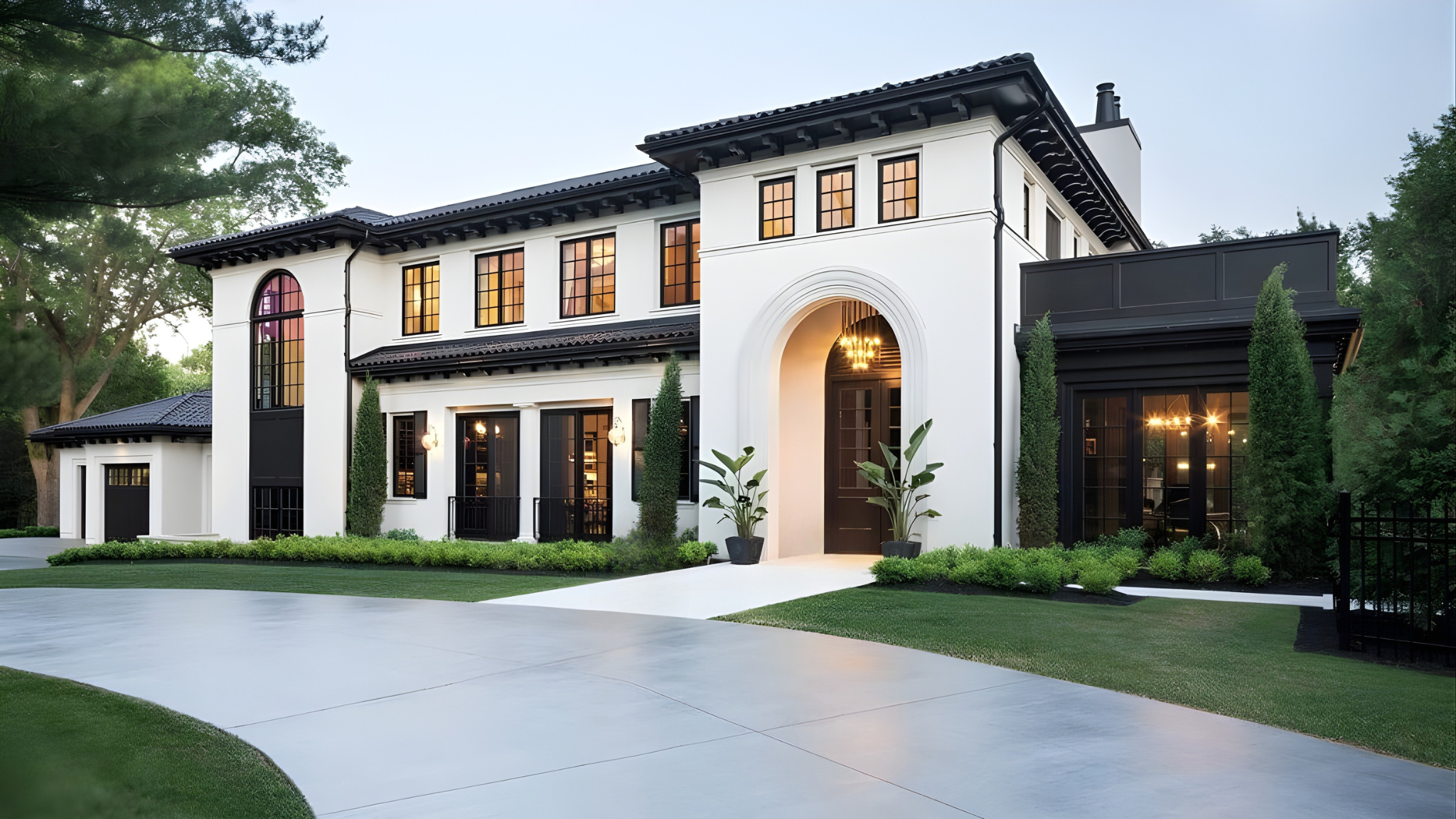
Design, on the other hand, begins long before any decorative decisions are made.
It’s the invisible framework that determines how a space performs and feels — even before you’ve added a single accessory.
When I design, I don’t just think about how a room looks; I think about how it works.
How light moves throughout the day.
How air flows.
Where the eye naturally lands when you walk in.
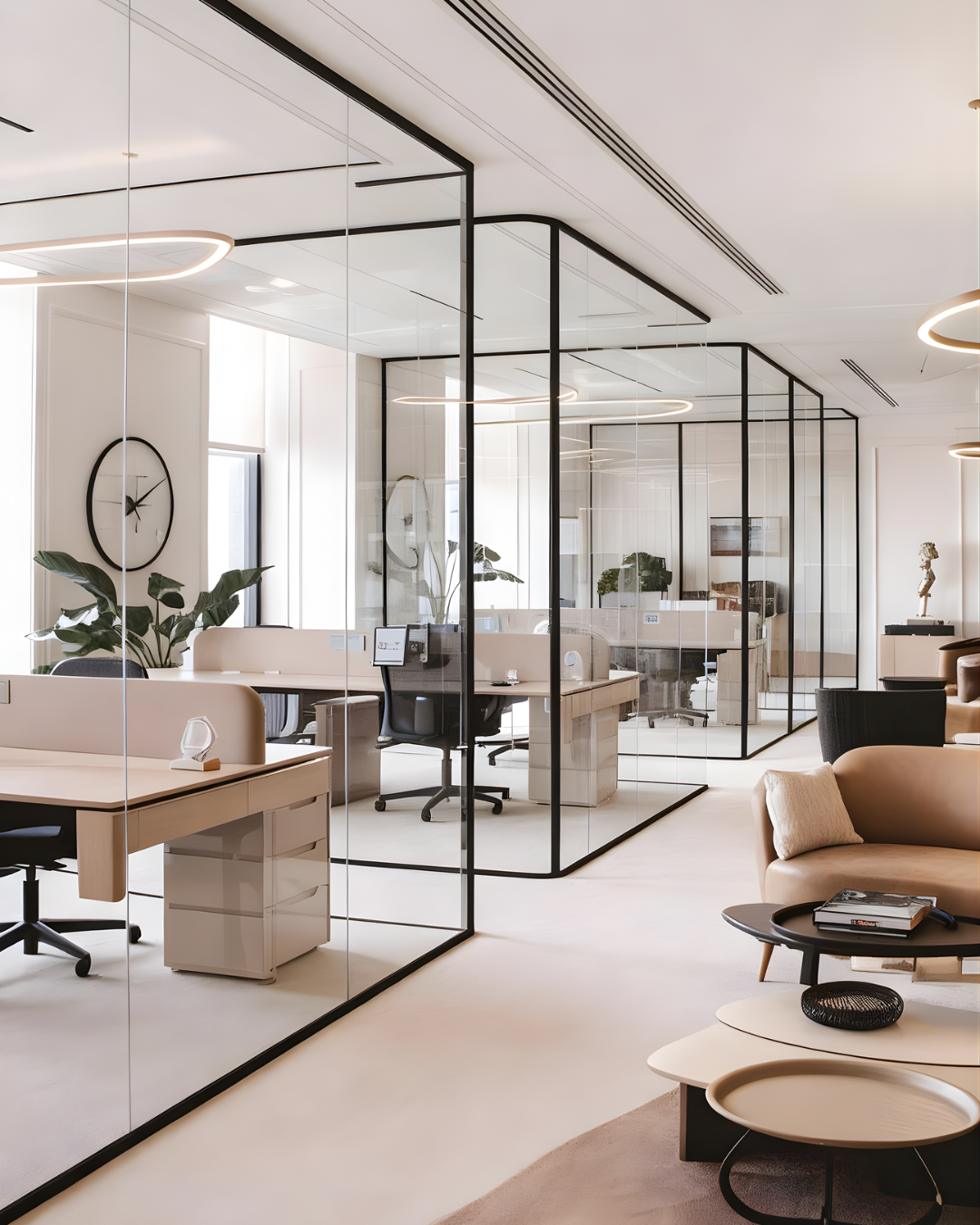
Every choice — from the width of a corridor to the placement of a window — affects how you experience a space.
Design considers function first.
It ensures that furniture placement, sightlines, and materials all contribute to comfort and usability. It’s also where craftsmanship and intention come together — where every joint, texture, and proportion has purpose.
If styling is the punctuation, design is the language itself.
When Design and Styling Work Together
The best spaces don’t prioritize one over the other — they integrate both seamlessly.
Design provides the structure; styling adds the soul. Together, they create environments that are both livable and inspiring.
In many projects, my team and I approach both simultaneously.
We start by understanding how the client lives — their routines, values, and aesthetic preferences — and then design the space from the inside out.
Once the foundation is in place, styling becomes intuitive.
That’s when you can truly express individuality — through texture, art, and detail — knowing the design beneath it supports every decision.
Why the Difference Between Styling and Designing a Home Matters
Recognizing the difference between styling and design isn’t about hierarchy; it’s about clarity.
Understanding this helps homeowners make informed decisions about where to invest time and resources.
It helps align expectations — because a well-designed home doesn’t just photograph beautifully; it feels balanced, functional, and timeless in everyday life.
And for those who love design as much as décor, this knowledge empowers creativity.
When you understand the structure behind the beauty, you can style with more freedom — knowing the space can hold it.
The Quiet Power of Thoughtful Design
One of the most rewarding moments in a project is when a client steps into their finished space and says, “It just feels right.”
That feeling rarely comes from furniture alone.
It’s born from proportion, light, and rhythm — from design decisions made long before the final touches arrive.
It’s proof that thoughtful design is never just about visual impact.
It’s about creating harmony — where everything feels intentional, connected, and deeply personal.
Because ultimately, a home should reflect more than taste. It should reflect you.
Final Thoughts
Styling and design are two sides of the same coin — one expressive, one structural.
Styling captures attention; design holds it. Styling creates personality; design builds experience.
When these two work in harmony, you get spaces that don’t just look curated — they feel complete.
So, whether you’re redecorating a single room or building from the ground up, remember:
Start with design, layer with style, and let intention lead the way.
Because the most beautiful homes aren’t just decorated.
They’re designed to be lived in — beautifully, purposefully, and with heart.
About Heather Robinson Designs
Heather Robinson is a luxury interior designer based in Arizona with over 20 years of experience transforming homes into timeless, livable works of art. Her studio specializes in full-home renovations and bespoke interiors that balance structure, emotion, and everyday function.
→ Learn more about Heather Robinson Designs
→ Inquire about your renovation





Read the Comments +