


“Design begins long before furniture enters a room.”
That’s something I’ve come to believe deeply over years of working in bespoke interiors and construction.
A home that feels effortless is the result of countless thoughtful decisions — quiet but powerful moments of design thinking that most people never see.
When someone asks what makes a great interior designer, I always say: it’s not just about taste.
It’s about the ability to translate vision into experience — to shape the way people live, move, and feel in their own spaces.
Choosing an interior designer, then, is not about finding someone who simply understands style; it’s about finding someone who understands you.
The Real Work of an Interior Designer
Interior design goes far beyond arranging furniture or choosing finishes.
It’s a strategic, creative, and highly technical process that brings harmony between aesthetics and function.
A great interior designer begins with how a space is used, not how it looks.
Every design decision — from the width of a hallway to the texture of a wall — impacts how people experience comfort and connection.
Designers think spatially.
They understand light, proportion, and balance. They see possibilities within constraints and create systems that make a space flow naturally.
Styling makes a space look beautiful; design makes it work beautifully.
What Makes a Great Interior Designer
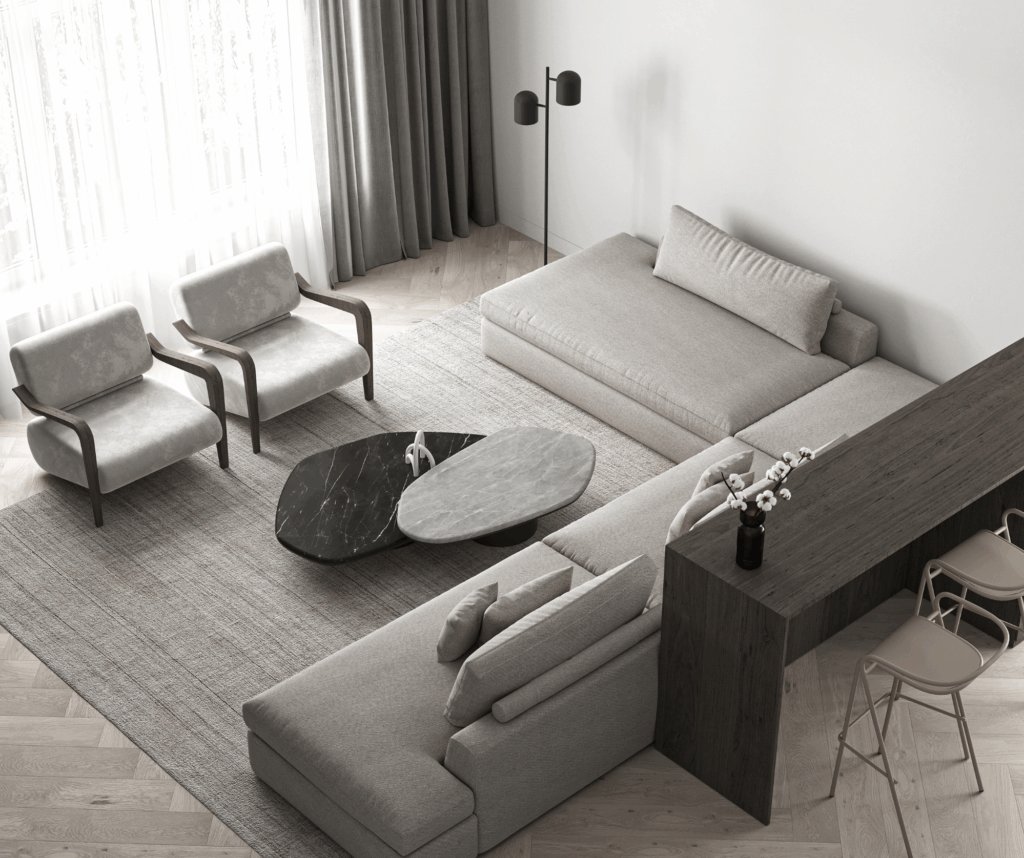
So, what makes a great interior designer?
It’s a blend of artistry, discipline, and empathy.
A great designer listens — not only to words, but to how clients live. The best designs often emerge from quiet observations: how light falls on a surface in the morning, how a family gathers in the evening, how someone prefers calm over clutter.
Attention to detail is non-negotiable.
Great designers think in layers — from structure and layout to materials and mood. They curate textures, tones, and contrasts to build spaces that feel cohesive yet deeply personal.
They also collaborate.
Behind every successful project lies a network of craftsmen, builders, and specialists who translate design into reality.
A great interior designer knows how to bring these people together, guiding everyone toward the same vision.
But perhaps most importantly, a great designer understands restraint.
Luxury doesn’t mean more — it means meaningful. It’s the ability to stop at the exact point where everything feels balanced, deliberate, and timeless.
How to Choose an Interior Designer
With so many talented professionals in the field, knowing how to choose an interior designer can feel overwhelming.
The process becomes easier when approached with clarity and curiosity.
Start by defining the scope of your project.
Is it a full renovation, a new build, or a focused redesign?
Each requires a different level of expertise.
Then, research portfolios — not just for style, but for consistency.
Does the designer show versatility while maintaining a clear point of view?
Beyond visuals, consider the process. Ask questions like:
- How do you begin a project?
- What steps are involved between concept and completion?
- How do you handle revisions or unexpected challenges?
Transparency is key.
A great designer will guide you through timelines, budgets, and expectations without vague promises.
The best ones make complex projects feel effortless — because their systems are strong.
And finally, trust your intuition.
The designer-client relationship is built on chemistry and communication.
You’re not just hiring a creative; you’re inviting a collaborator into your most personal spaces.
The Design Partnership

When the right partnership forms, design becomes a dialogue.
It’s a process of discovery — merging professional expertise with personal identity.
Great interior designers don’t impose style; they interpret it.
They refine, edit, and elevate.
They know when to push boundaries and when to protect simplicity.
Through this collaboration, spaces evolve into something greater than aesthetics — they become stories of how people live.
Why Choosing the Right Interior Designer Matters
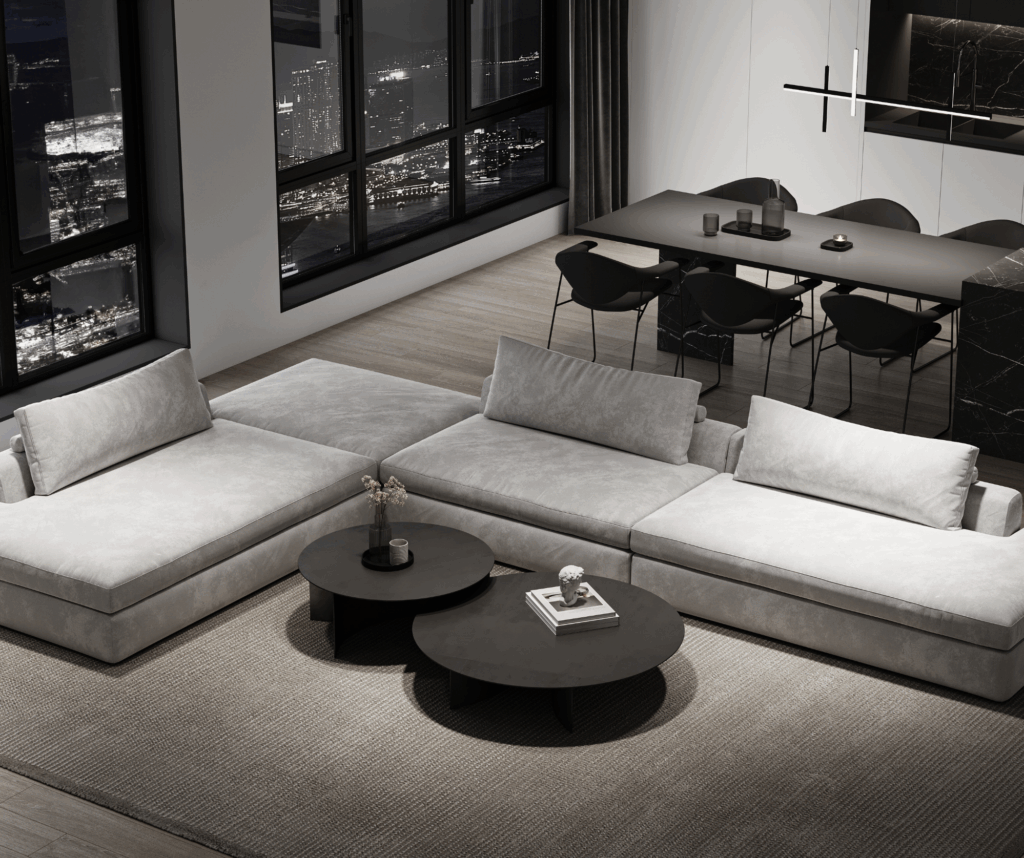
The impact of choosing the right interior designer extends far beyond visual appeal.
A well-designed home supports daily life — it improves flow, enhances comfort, and brings a sense of calm order.
Every project has challenges, but with the right designer, those challenges become opportunities for innovation.
Each decision — from spatial planning to finishes — contributes to a foundation that lasts years beyond trends.
A designer’s influence doesn’t fade when the project ends.
The way a home feels, functions, and ages gracefully over time is part of their legacy.
Final Thoughts
Design is not decoration; it’s transformation.
The difference between a beautiful space and a truly designed one is intention — the invisible framework that gives everything meaning.
What makes a great interior designer is not just skill, but vision.
And knowing how to choose an interior designer is about recognizing that vision — the one that sees beyond the surface to create spaces that quietly elevate life.
Because the best design isn’t just seen. It’s felt.
About Heather Robinson Designs
Heather Robinson is a luxury interior designer based in Arizona with over 20 years of experience transforming homes into timeless, livable works of art. Her studio specializes in full-home renovations and bespoke interiors that balance structure, emotion, and everyday function.
→ Learn more about Heather Robinson Designs
→ Inquire about your renovation



Read the Comments +